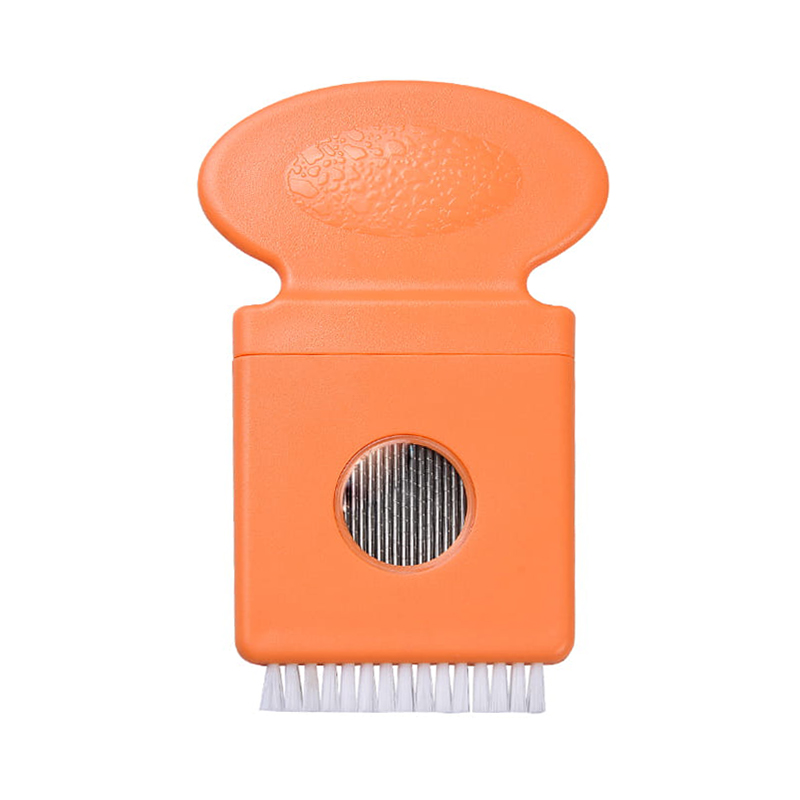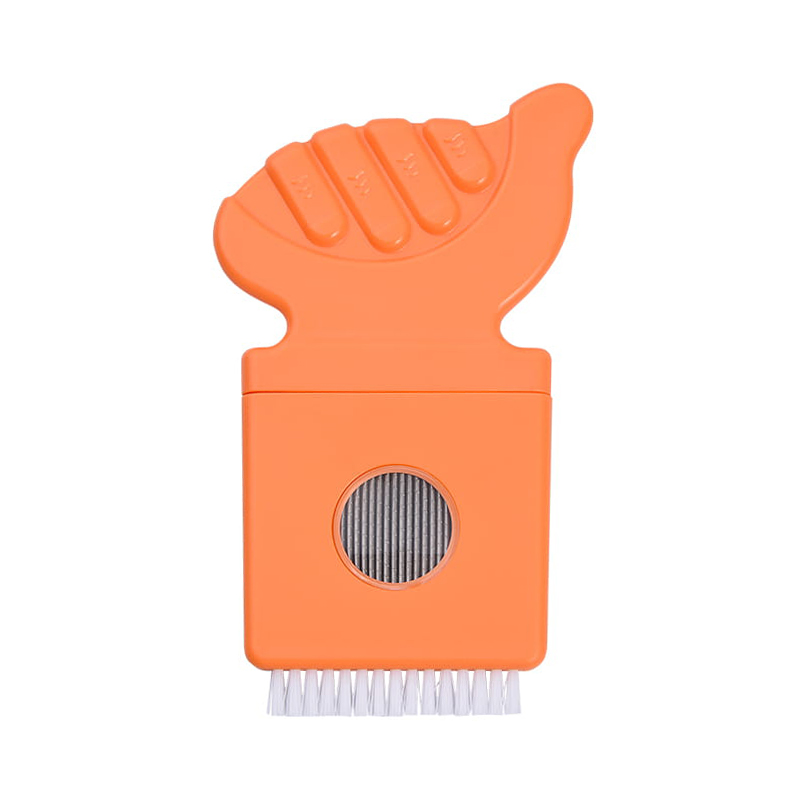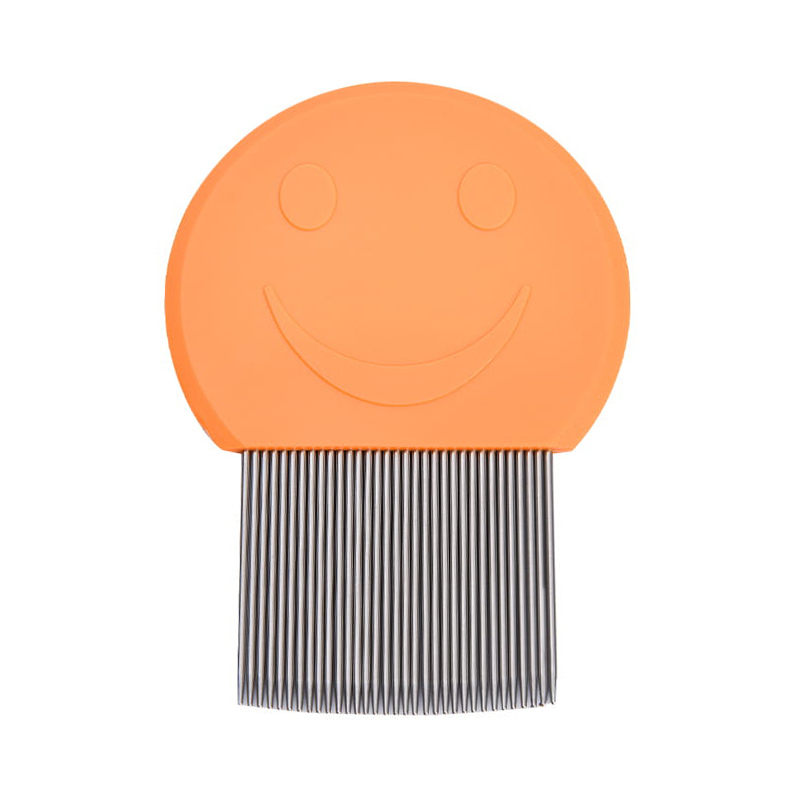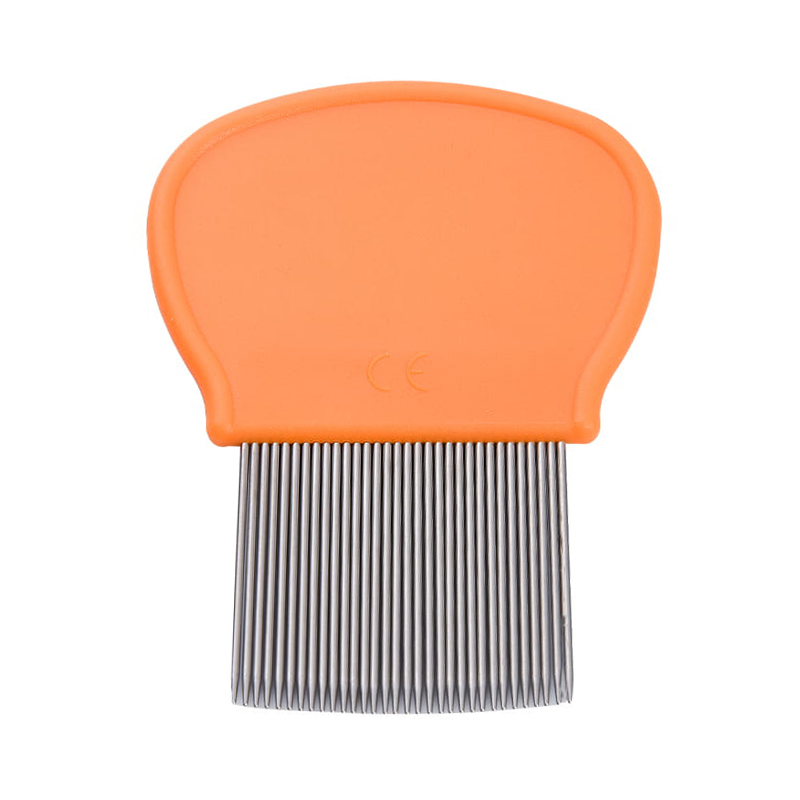


A Multifunctional Lice Comb Is the Most Reliable Tool for Lice Removal
A high-quality multifunctional lice comb, especially one with fine metal teeth, physically removes both adult lice and their eggs (nits) from the hair. This mechanical approach is effective, avoids the risk of chemical resistance, and poses minimal risk of skin irritation. Wet combing with conditioner and a proper comb is the preferred method for detection and treatment recommended by health authorities.
Not all combs are equally effective. Clinical studies demonstrate that a metal comb can remove three to four times more eggs than a plastic one. For instance, a specialized metal comb has been shown to be more effective at removing lice eggs in a clinical setting. A multifunctional comb is a one-time investment that can save hours of painstaking nitpicking and is effective for all hair types on humans and pets.
What Makes a Lice Comb "Multifunctional"?
A multifunctional lice comb goes beyond the basic plastic nit combs often found in pharmacies. It incorporates design features to maximize efficacy and ease of use.
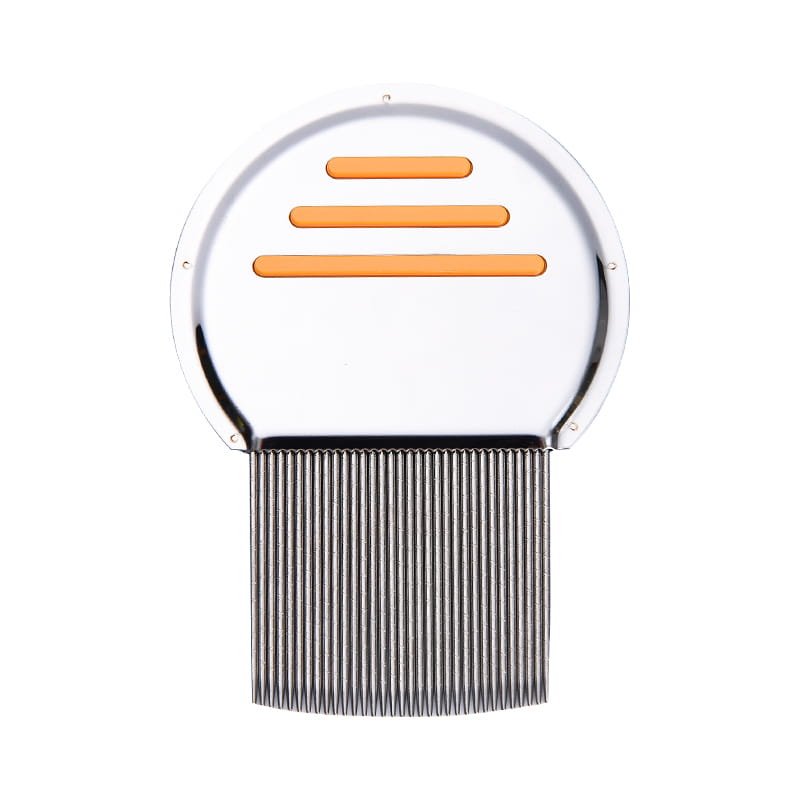
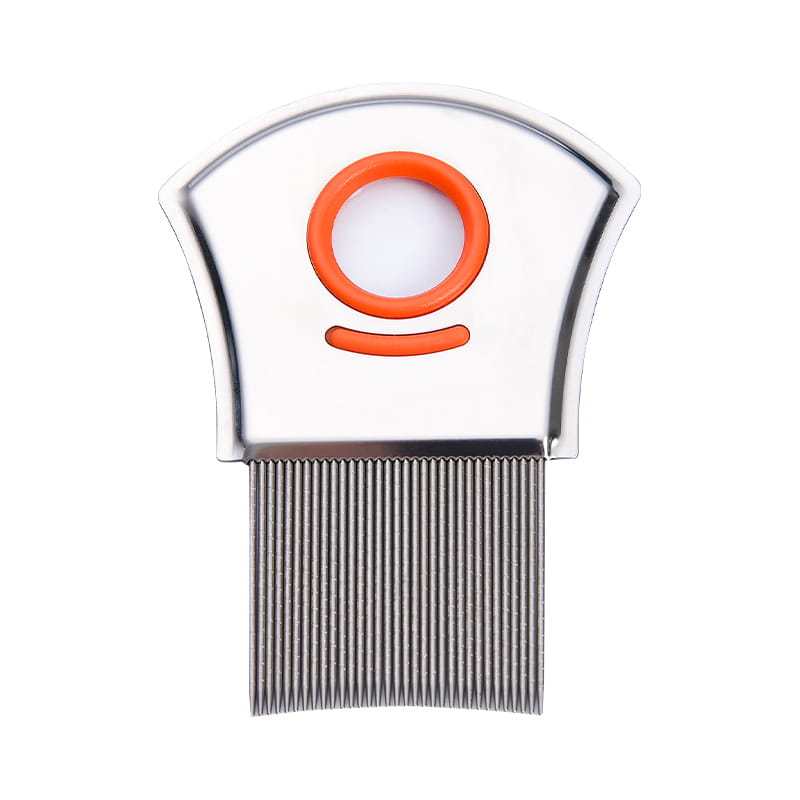
- Material: High-quality combs use stainless steel teeth that are strong, durable, and do not bend or separate easily. This is critical because even a tiny gap between teeth can allow nits to pass through.
- Tooth Design: Many have very fine, closely spaced teeth (e.g., 0.05 mm apart) to catch even the smallest nits. Some designs feature teeth that are micro-grooved or have rounded tips for safety and to glide through hair more easily.
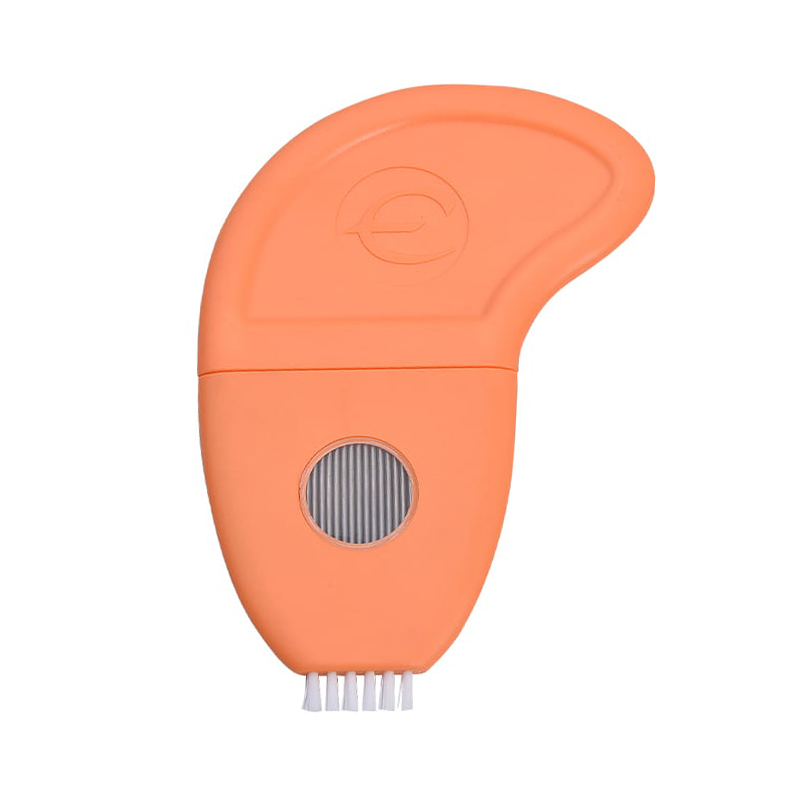
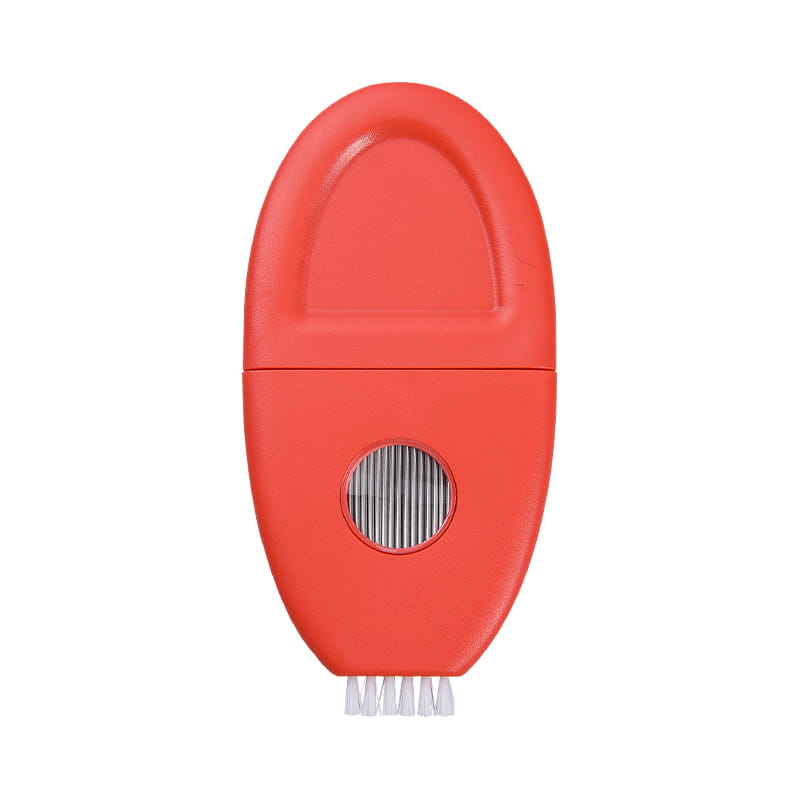
- Ergonomics and Handling: Features like 360° rotatable teeth, non-slip handles, and double-sided designs (one side for detangling, one for nit removal) make the combing process more manageable and less tiring, especially for long or thick hair.
- Versatility: Many are marketed for both humans and pets, as the same principle of mechanical removal applies to fleas and ticks on animals.
Metal vs. Plastic: Clinical Evidence for Effectiveness
The type of comb is the most critical factor for success. A study published in the International Journal of Dermatology directly compared the efficacy of a metal comb and a plastic comb in removing head lice and their eggs. The results were decisive. In 96% of subjects, the metal comb removed more eggs than the plastic comb, with an average of three to four times more hatched, dead, and live eggs removed. This study highlights the superiority of a well-designed metal comb over standard plastic alternatives. This is why the "comb and conditioner" method recommended by public health bodies specifically calls for a fine-toothed metal lice comb.
How to Use a Lice Comb Effectively: The Comb and Conditioner Method
Even the best multifunctional comb requires proper technique. The "wet combing" or "comb and conditioner" method is recommended as an effective, non-toxic treatment. It does not rely on insecticides and therefore carries no risk of contributing to resistance.
- Apply Conditioner: Apply a generous amount of cheap conditioner to dry hair. The conditioner stuns the lice, making them easier to remove.
- Detangle: Use a normal comb or a wide-toothed side of your multifunctional comb to detangle the hair and section it off.
- Nit Combing: Working in small sections, use the fine-toothed metal side of your comb. Starting at the scalp, comb through the hair to the ends.
- Wipe and Inspect: After each pass, wipe the comb on a white paper towel and look for any lice or nits.
- Repeat Systematically: Continue combing each section until no more nits or lice appear on the paper towel. This method is most effective on damp or wet hair, often making it easier to remove nits.
This process should be repeated every 2-3 days for 7-10 days, or until no nits or lice are found for a full week.
Comparing Treatment Methods: A Side-by-Side Look
Understanding the differences between chemical treatments and mechanical removal with a multifunctional comb is essential. The table below contrasts the two main approaches.
| Feature | Chemical Treatment | Mechanical Removal (Multifunctional Comb) |
|---|---|---|
| Removes adult lice | Yes | Yes |
| Removes nits (eggs) | No | Yes |
| Breaks life cycle | No (requires repeat application) | Yes (with repeated combing) |
| Risk of resistance | High | None |
| Risk of skin irritation | Moderate to high | Low |
Choosing the Right Multifunctional Lice Comb
When selecting a comb, look for specific quality indicators to ensure it will be effective.
- Metal Teeth: Stainless steel combs are the gold standard for their strength and close spacing.
- Teeth Seal: Check that the teeth are firmly sealed into the handle. Gaps can allow nits to pass, wasting time and effort.
- Tooth Spacing: Hold the comb up to the light. If you can see visible spaces between the teeth, it will not be effective at removing nits.
- Longevity: A good metal comb is durable and will last through hundreds of comb-outs, making it a cost-effective, one-time investment.
Beyond Lice: The Multifunctional Advantage
The fine-toothed design that works for head lice also makes these combs effective for other applications, contributing to their "multifunctional" label. They are widely used for detecting and removing fleas and ticks from pets. Some sets include combs of various sizes and tooth spacing to groom different coat types and areas, such as around eyes and paws. This versatility adds significant value for households with both children and pets.
Addressing Common Misconceptions
There is a trend suggesting that using a lice comb can stimulate hair growth. However, dermatologists clarify there is no scientific evidence that a lice comb promotes hair growth or increases hair density. While it may provide temporary scalp stimulation, it is not a proven treatment for hair loss. Its sole proven function is mechanical removal of lice and nits.
Ensuring Complete Treatment
For a lice treatment to be successful, a comb must be used, regardless of whether a chemical treatment is also applied. Chemical products kill live lice but do not kill nits. Thus, manual removal with a comb is the only way to completely break the life cycle. A study in The BMJ supports that properly performed combing is highly effective, with one test showing 87% of participants were lice-free after a standard treatment course. This reinforces that with the right tool and technique, the multifunctional lice comb remains the cornerstone of successful head lice management.